IGI/GIA Certified

Appraisal Included

Direct to Consumer Pricing

IGI/GIA Certified

Appraisal Included

Direct to Consumer Pricing

New Arrivals

Best Seller
Yellow Gold

Emerald Cut Three Stone Ring with Trapezoid Sides

$3,630.00 $5,185.00 29% off

Best Seller
Yellow Gold

Bezel Set Radiant Cut Lab Grown Diamond Solitaire Ring in Gold

$1,330.00 $1,900.00 30% off

Best Seller
Yellow Gold

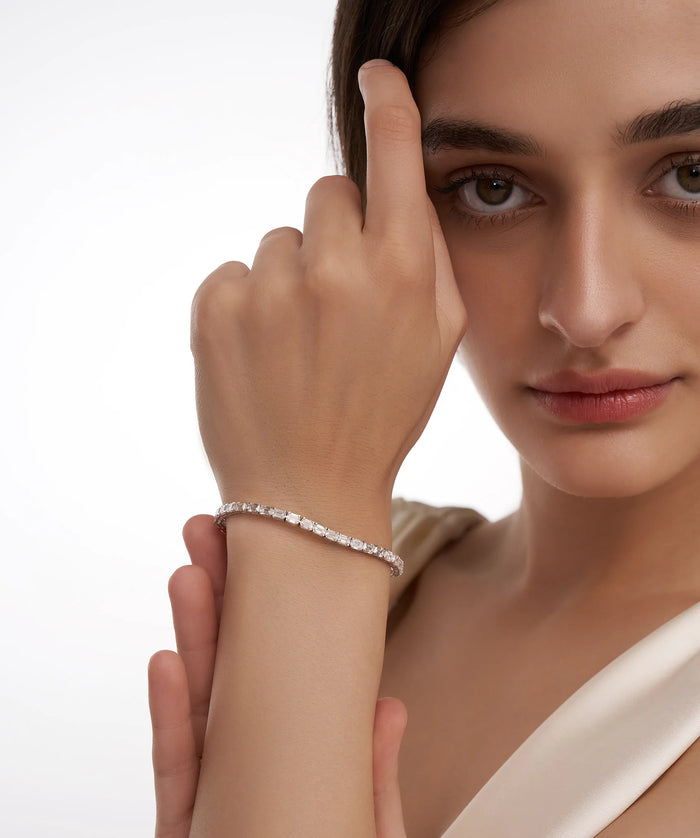
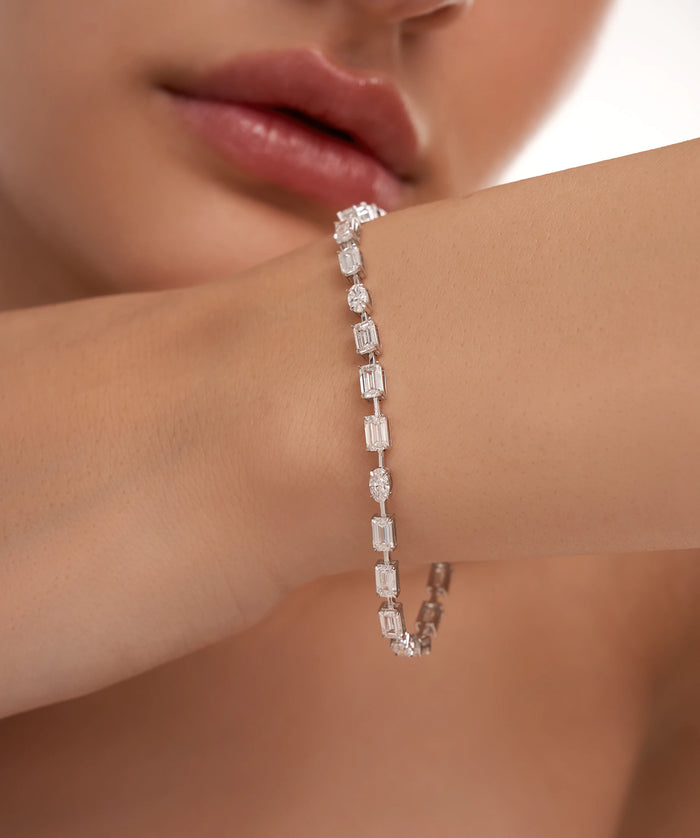
Emerald Cut Straight Line Tennis Bracelet

$5,714.00 $8,163.00 30% off

Best Seller
Yellow Gold

Alternating Oval and Round Prong Set Tennis Bracelet

$5,019.00 $7,170.00 30% off

Best Seller
Yellow Gold

Pear Marquise and Round Mixed Cut Prong Set Tennis Bracelet

$3,780.00 $5,399.00 29% off

Best Seller
Yellow Gold

Radiant and Oval Mixed Cut Prong Set Tennis Bracelet

$4,289.00 $6,128.00 30% off

Best Seller
Yellow Gold

Radiant Cut Solitaire Stud Earrings

$585.00 $836.00 30% off

Best Seller
Yellow Gold

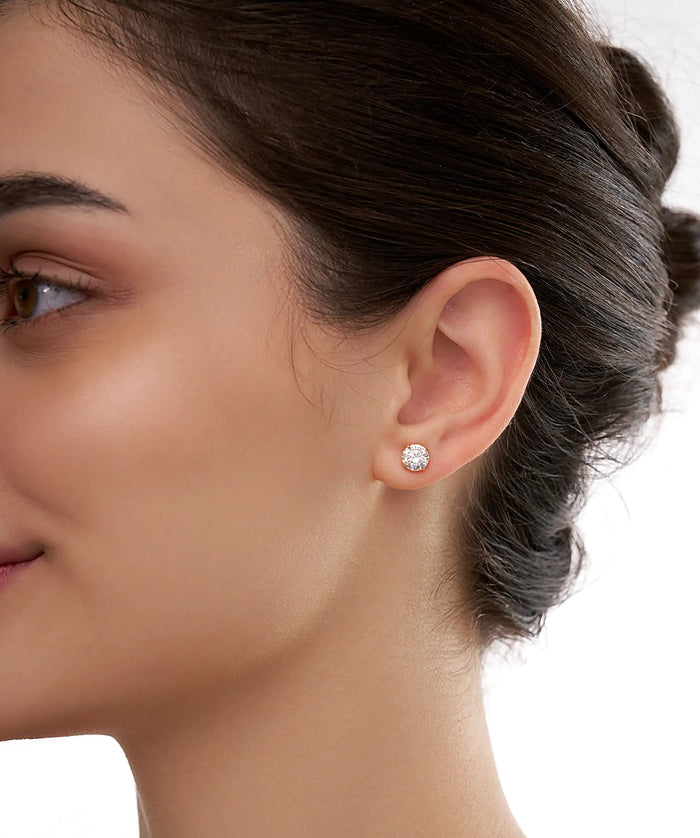
Round Lab Grown Diamond Solitaire Stud Earrings in Gold

$585.00 $836.00 30% off

Best Seller
Yellow Gold

Pavé Huggie Hoop Earrings

$1,050.00 $1,500.00 30% off

Best Seller
Yellow Gold

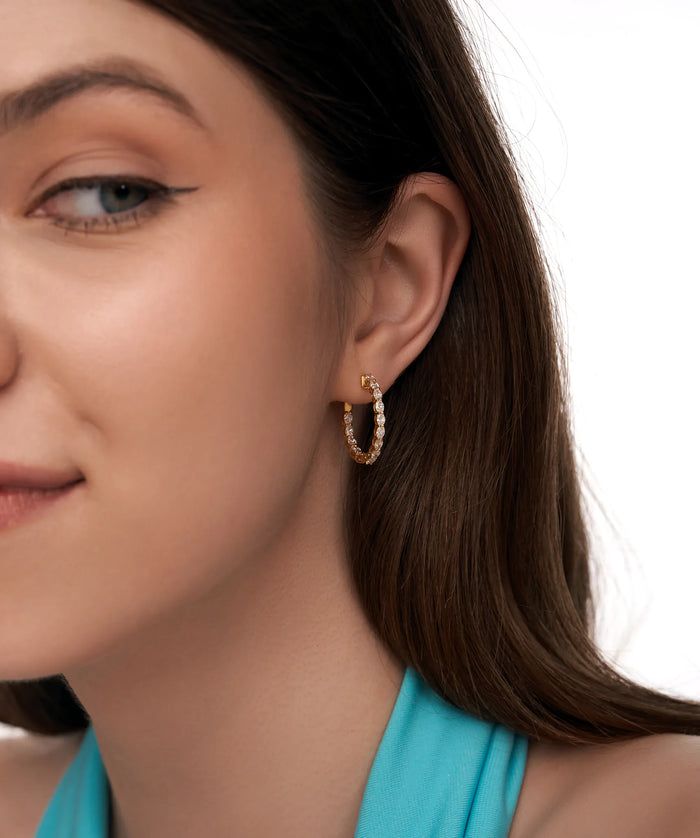
Round Lab Grown Diamond Inside Out Hoop Earrings in Gold

$1,550.00 $2,214.00 29% off

Best Seller
Yellow Gold

Oval Lab Grown Diamond Inside Out Hoop Earrings in Gold

$585.00 $836.00 30% off

Custom Your Ring

Custom Your Ring

Our Creative Studio Allows You To Design Your Engagement Ring Exactly The Way You Want It — With Control Over Every Detail. Use Our Unique Tools To Create Something Exceptional, Online Or In Showrooms.

Design Your Ring
  • Fine Jewelry

    Fine Jewelry

    Elevated everyday pieces designed to bring effortless brilliance to every moment.

    Shop Now
  • Bridal Jewelry

    Bridal Jewelry

    Timeless engagement rings and wedding bands, beautifully crafted to celebrate your forever.

    Shop Now

Shop by collection

Best Seller
Yellow Gold

Emerald Cut Three Stone Ring with Trapezoid Sides

$3,630.00 $5,185.00 29% off

Best Seller
Yellow Gold

Bezel Set Radiant Cut Lab Grown Diamond Solitaire Ring in Gold

$1,330.00 $1,900.00 30% off

Best Seller
Yellow Gold

Emerald Cut Straight Line Tennis Bracelet

$5,714.00 $8,163.00 30% off

Best Seller
Yellow Gold

Alternating Oval and Round Prong Set Tennis Bracelet

$5,019.00 $7,170.00 30% off

Best Seller
Yellow Gold

Pear Marquise and Round Mixed Cut Prong Set Tennis Bracelet

$3,780.00 $5,399.00 29% off

Best Seller
Yellow Gold

Radiant and Oval Mixed Cut Prong Set Tennis Bracelet

$4,289.00 $6,128.00 30% off

Best Seller
Yellow Gold

Radiant Cut Solitaire Stud Earrings

$585.00 $836.00 30% off

Best Seller
Yellow Gold

Round Lab Grown Diamond Solitaire Stud Earrings in Gold

$585.00 $836.00 30% off

Best Seller
Yellow Gold

Pavé Huggie Hoop Earrings

$1,050.00 $1,500.00 30% off

Best Seller
Yellow Gold

Round Lab Grown Diamond Inside Out Hoop Earrings in Gold

$1,550.00 $2,214.00 29% off

Best Seller
Yellow Gold

Oval Lab Grown Diamond Inside Out Hoop Earrings in Gold

$585.00 $836.00 30% off

PREMIUM LAB-GROWN DIAMONDS
DIRECT-TO-YOU VALUE
A SUSTAINABLE CHOICE

A New Expression of Fine Jewelry

Why Choose New Carat?

At New Carat, every piece is thoughtfully designed with exceptional lab grown diamonds and refined craftsmanship to create jewelry that feels uniquely yours.

DISTINCTIVE BY DESIGN

Made to stand apart, design-led pieces created for those who want something beyond the ordinary.

PREMIUM LAB-GROWN DIAMONDS

Exceptional lab-grown diamonds, thoughtfully selected for outstanding beauty, quality, and brilliance

DIRECT-TO-YOU VALUE

Quality lab-grown diamond jewelry, exceptional craftsmanship, competitive prices made for modern luxury.

A SUSTAINABLE CHOICE

Choose the beauty of lab-grown diamonds with a more environmentally conscious approach to fine jewelry.

  • SUSTAINABILITY

    SUSTAINABILITY

    Our lab-grown diamonds offer the same beauty and brilliance as mined diamonds while avoiding traditional diamond mining.

    Know More
  • WARRANTY

    WARRANTY

    We use certified lab-grown diamonds and metals solid 10K/14K/18K gold and 950 platinum, crafted for lasting beauty and everyday wear.

    Know More
  • MATERIALS

    MATERIALS

    We use certified lab-grown diamonds and precious metals — solid 10K, 14K, 18K gold and 950 platinum. Each piece is crafted for lasting beauty and everyday durability.

    Know More

Lab Grown Diamond Jewelry, Made for the Way People Actually
Buy It

New Carat makes engagement rings, wedding bands, earrings, pendants and tennis bracelets set with IGI and GIA certified lab grown diamonds, in solid 10K, 14K and 18K gold and 950 platinum. Every piece ships with an independent grading report and an insurance appraisal, and we ship across the United States and Canada with prices shown in USD or CAD.

We sell direct, which is the reason the pricing works. There is no wholesale tier, no distributor margin and no showroom network built into what you pay. That difference goes into the stone and the metal rather than the supply chain.

What a Lab Grown Diamond Actually Is

A lab grown diamond is diamond. It is crystallised carbon with the same cubic lattice, the same 10 on the Mohs hardness scale, the same refractive index and the same dispersion as a diamond formed in the earth. It is not a simulant. Cubic zirconia and moissanite are different materials that imitate the look of diamond. A lab grown diamond is the material.

The difference is origin and timescale. A mined diamond crystallised over geological time under the pressure of the earth's mantle. A lab grown diamond is produced in a growth chamber over a period of weeks under engineered conditions that replicate the same chemistry.

Two methods produce gem quality stones.

HPHT, or High Pressure High Temperature, reproduces mantle conditions directly. A small diamond seed, a carbon source and a metal catalyst are held under extreme pressure and heat until carbon atoms bond onto the seed in the diamond structure.

CVD, or Chemical Vapor Deposition, works at lower pressure. A diamond seed plate sits in a vacuum chamber filled with a carbon rich gas. Energy breaks the gas apart and carbon deposits onto the seed layer by layer.

Both produce real diamonds. Both are cut and polished by the same cutters using the same equipment as mined rough. Neither method is inherently better, and a well cut CVD stone outperforms a poorly cut HPHT stone every time. Cut quality matters more than growth method.

How to Read the 4Cs Without Overpaying

The 4Cs are cut, colour, clarity and carat. They are not equally important, and the industry rarely says so plainly.

Cut is the only one that is about workmanship rather than raw material, and it is the one that determines how the diamond looks. Cut governs how light enters the stone, reflects internally and returns to your eye. That return is what people describe as brilliance, fire and scintillation. A D colour, flawless diamond with a mediocre cut looks dull. Prioritise cut grade first and do not compromise on it.

Colour is graded D through Z, where D is completely colourless. In a white metal setting, most people cannot distinguish D from G without a side by side comparison under controlled lighting. In yellow or rose gold, warmer stones in the G to I range often look better than colourless ones, because the metal reflects into the stone anyway.

Clarity describes inclusions, the internal growth characteristics every diamond has. The threshold that matters is eye clean: no inclusion visible to the unaided eye at normal viewing distance. VS1 and VS2 are reliably eye clean in most shapes. Paying for VVS or flawless buys you something only a loupe can see, except in step cut shapes.

Carat is weight, not size. Two one carat diamonds can look noticeably different depending on how the weight is distributed. A deep cut stone hides weight below the girdle where you cannot see it. Elongated shapes spread weight across the face up surface, which is why an oval or marquise often reads larger than a round of identical carat weight.

There is also a pricing step at the round numbers. A 0.90 carat diamond and a 1.00 carat diamond differ by a sliver of millimetres, but they sit on different sides of a price break. Buying just under the threshold is one of the few reliable ways to get more stone for the same budget.

Choosing a Diamond Shape

We cut and set seven shapes, each with a different visual character.

Round is the most optically efficient shape. Its faceting is engineered specifically to maximise light return, which is why it delivers more sparkle per carat than anything else. It is also the most in demand shape, which means you pay for that performance.

Oval gives you an elongated outline that lengthens the finger and reads larger face up than a round of the same weight. It is a brilliant cut shape, so it keeps the fire of a round while covering more surface.

Emerald is a step cut. Instead of triangular facets that scatter light, it has long parallel facets that produce broad flashes and a clear view into the stone. That open table rewards better clarity, so choose a higher clarity grade in emerald than you would in a brilliant cut.

Radiant combines an emerald outline with brilliant faceting underneath. You get the rectangular silhouette with the sparkle of a round, and it hides inclusions better than a true emerald cut.

Pear is asymmetric by design, a brilliant round on one end tapering to a single point. Setting quality matters more here than in any other shape, because the point needs protection.

Marquise is the most elongating shape we cut, with two points and a long body. It maximises apparent size per carat.

Elongated Cushion softens a square outline into rounded corners and stretches the proportions. It is the shape people choose when a classic cushion feels too compact.

Settings, Metals and How They Change the Result

The setting changes how a diamond looks as much as the diamond does.

Solitaire puts a single stone on a clean band and gets out of the way. Hidden Halo places a ring of small diamonds beneath the centre stone, visible from the side profile but not from above, which adds apparent size without changing the face up look. Three Stone sets a centre diamond between two side stones. Bezel wraps the stone in a continuous metal rim, the most secure option and the one to choose for hands on work or an active routine. Toi et Moi pairs two stones on one band. Side Stone runs accent diamonds along the shoulders. Nature Inspired uses organic, asymmetric forms rather than geometric ones.

Everything we make is solid metal, not plated. Plated jewellery wears through at the contact points and cannot be properly resized or repaired.

10K gold has the highest alloy content of the three, which makes it the hardest and most scratch resistant, with the palest colour in yellow. 14K is the standard for everyday rings in North America and the balance most people want between colour saturation and durability. 18K has the richest colour and is softer, which makes it better suited to earrings, pendants and bracelets than to a ring worn daily on a working hand.

White gold is yellow gold alloyed with white metals and finished with rhodium plating for brightness. That plating wears and needs reapplying periodically, which is normal maintenance, not a defect. 950 platinum is naturally white and never needs replating. It is denser and heavier, and it develops a soft matte patina over time rather than losing colour.

Certification and Appraisal

Every New Carat centre stone is graded by IGI or GIA, two independent gemmological laboratories. The report records the shape, the measurements, the carat weight, the cut, colour and clarity grades, and states explicitly that the diamond is laboratory grown. Lab grown stones are also laser inscribed on the girdle with a report number, readable under magnification.

Separately, every order includes an insurance appraisal, a valuation document for your insurer. A grading report and an appraisal do different jobs. The report describes the diamond, the appraisal assigns a replacement value. You need both, and we include both.

On telling lab grown from mined, you cannot do it by eye, and neither can a jeweller with a loupe. The distinction requires specialist instruments that read growth patterns, trace element signatures and fluorescence behaviour. That equipment sits in gemmological laboratories. This is why certification matters more in lab grown than anywhere else in jewellery. The paperwork is the proof.

Where the Price Difference Comes From

Lab grown diamonds cost substantially less than mined diamonds of comparable specification, and the gap has widened considerably over the past several years as global growing capacity has expanded.

The mechanism is supply, not quality. Mined diamond supply is constrained by geology and by the cost of extracting and sorting enormous volumes of ore for a small yield of gem quality rough. Lab grown supply responds to demand. When demand rises, more reactors get built. Production costs have fallen as the technology has matured and as capacity has scaled.

The honest consequence of that, which we would rather tell you than have you discover later, is that lab grown diamonds do not hold resale value the way mined diamonds do. Any diamond, mined or lab grown, loses a large share of its retail price the moment it resells, because you bought at retail and you resell into the wholesale market. For lab grown the effect is sharper, because the replacement cost of an equivalent new stone keeps falling. Buy a lab grown diamond because you want to wear it. Do not buy one as a financial asset.

What the price difference does buy you is scope. The same budget reaches a larger centre stone, a higher cut grade, a better colour, a more involved setting, or a complete bridal set instead of a single ring.

On Sustainability, Stated Carefully

We will tell you what we can support and nothing beyond it.

Lab grown diamonds are produced in growth chambers above ground. They are not sourced through diamond mining, so they do not involve the land disturbance, ore volumes or tailings associated with extraction. That is a factual statement about the production route.

What we will not do is attach numbers to it that we cannot independently verify. Diamond growing is energy intensive, and the environmental footprint of any given stone depends heavily on the electricity mix of the facility that produced it. Figures circulating in jewellery marketing are frequently unsubstantiated. We would rather give you an accurate limited statement than an impressive unverifiable one.

Design Your Own Ring

If nothing in the collection is quite right, our custom studio lets you specify the shape, carat weight, colour and clarity of the centre stone, the setting style, the metal and the finish. You work with our team through the design, and the piece is made to that specification. Production timelines depend on the complexity of the design, and our team confirms the schedule with you before work begins.

Caring for Lab Grown Diamond Jewelry

Care is the same as for any fine jewellery, because the material is the same. Soak the piece in warm water with a few drops of mild dish soap for ten to fifteen minutes, work gently behind and underneath the stone with a soft toothbrush where skin oil and lotion collect, rinse in clean water and dry with a lint free cloth. The underside of the stone is where film builds up and where sparkle goes first.

Take rings off before applying hand cream, swimming in chlorinated water, using household cleaners and lifting weights.

Ultrasonic cleaners are safe for most prong set and bezel set diamonds in solid gold or platinum. Avoid them for pieces with structural damage, for loose stones and for any piece where a stone has shifted. If you are unsure, choose professional cleaning instead.

Lab Grown Diamond Questions, Answered

Are lab grown diamonds real diamonds?
Yes. A lab grown diamond is crystallised carbon with the same chemical composition, crystal structure, hardness, refractive index and dispersion as a mined diamond. Gemmological laboratories grade them on the same colour and clarity scales. The difference is that one formed in the earth and one was grown in a chamber.

How are lab grown diamonds made?
Two methods produce gem quality stones. HPHT applies extreme pressure and heat to a diamond seed with a carbon source and a metal catalyst, reproducing mantle conditions. CVD uses a low pressure vacuum chamber where a carbon rich gas is energised and carbon deposits onto a diamond seed plate layer by layer. Growth takes weeks, after which the rough is cut and polished conventionally.

Is CVD or HPHT better?
Neither. Both produce real diamonds, and the method is not recorded as a quality grade. Cut quality has far more influence on how a finished diamond looks than growth method does. Judge the stone by its grading report, not its reactor.

Can a jeweller tell the difference between lab grown and mined?
Not by eye or with a standard loupe. Distinguishing the two requires laboratory instruments that read growth patterns, trace element signatures and fluorescence behaviour. This is why independent certification matters. The report is the documentation.

Do lab grown diamonds get cloudy over time?
No. Diamond does not degrade, discolour or cloud. Any dullness is surface film from skin oil, soap residue, lotion and hairspray collecting under the stone, and it comes off with warm water, mild soap and a soft brush.

Are lab grown diamonds as hard as mined diamonds?
Yes. Both are 10 on the Mohs hardness scale, the maximum. They resist scratching from everything except another diamond.

How long have lab grown diamonds existed?
Reproducible laboratory diamond synthesis dates to the 1950s, and early production served industrial uses. Consistent gem quality output at commercial scale is much more recent, and that is what changed the jewellery market.

Which of the 4Cs should I prioritise?
Cut, by a clear margin. Cut determines light return and therefore how the diamond actually looks. After cut, aim for eye clean clarity rather than a high grade on paper, and choose colour relative to your metal. G to I looks excellent in yellow and rose gold, while white metals reward a step up.

What clarity grade should I choose?
VS1 or VS2 in brilliant cut shapes such as round, oval, pear, marquise and radiant, which are eye clean at normal viewing distance. In emerald cut, which has an open step cut table that shows everything, move up to VS1 or VVS2.

Which diamond shape looks biggest for the carat weight?
Elongated shapes. Marquise, oval and pear spread weight across the face up surface rather than hiding it in depth, so they read larger than a round of identical carat weight. Elongated cushion and radiant also gain apparent size from their proportions.

How do I get more diamond for the same budget?
Buy just under a round carat threshold, since a 0.90 carat sits below a price break that a 1.00 carat crosses for a barely perceptible size difference. Choose an elongated shape. Accept eye clean clarity instead of a loupe clean grade. Keep the cut grade high, because that is the one trade off that visibly costs you.

Do lab grown diamonds hold their value?
No, and no jeweller should tell you otherwise. All diamonds lose a substantial share of retail price on resale, because you buy at retail and sell into wholesale. For lab grown the effect is more pronounced, because production capacity keeps expanding and the replacement cost of an equivalent new stone keeps falling. Buy for wear, not as an investment.

Why are lab grown diamonds cheaper than mined diamonds?
Supply responds to demand. Mined supply is limited by geology and the cost of processing vast ore volumes for a small gem yield. Lab grown capacity expands when demand rises, and production costs have fallen as the technology has matured. The price difference reflects supply economics, not a difference in material quality.

Are New Carat diamonds certified?
Yes. Every centre stone is graded by IGI or GIA and ships with its report. Lab grown stones also carry a laser inscription of the report number on the girdle. An insurance appraisal is included with every order.

What is the difference between a grading report and an appraisal?
A grading report describes the diamond: shape, measurements, carat weight, cut, colour, clarity, and that it is laboratory grown. An appraisal assigns a monetary replacement value for insurance purposes. They serve different functions and we include both.

Should I choose 10K, 14K or 18K gold?
14K for an engagement ring or wedding band worn daily, which is the North American standard and the best balance of colour and durability. 10K if your hands take heavy wear, since the higher alloy content makes it harder. 18K for earrings, pendants and bracelets where you want the richest colour and the piece takes less abuse.

Platinum or white gold?
Platinum if you want a permanently white metal with no upkeep and you do not mind the extra weight and cost. White gold if you want a lighter, less expensive ring and will accept periodic rhodium replating to maintain brightness. Platinum develops a soft matte patina over time. White gold gradually shows a warmer tone as plating wears.

Is your jewellery solid metal or plated?
Solid throughout: 10K, 14K and 18K gold and 950 platinum. We do not sell plated pieces. Plating wears through at contact points and cannot be properly resized or repaired.

Can a lab grown diamond ring be resized?
Most settings can be resized within a limited range. Plain bands and side stone designs resize readily. Full eternity bands and some pavé settings cannot be resized, because the stones run the full circumference, and those need to be remade in the correct size. Contact us with your order details and we will confirm what is possible for your specific ring.

How do I find out her ring size for a surprise proposal?
Borrow a ring she already wears on the correct finger and have it measured, or trace its inner circumference. Ask someone close to her who already knows. If neither is possible, order in a middle size and plan on resizing afterwards.

Can I have a ring reset or redesigned later?
Yes. Stones can be reset into a new setting, and existing pieces can be redesigned. Send us photographs and the original order details and our team will tell you what the piece will allow.

How should I clean my lab grown diamond jewellery?
Soak in warm water with a few drops of mild dish soap for ten to fifteen minutes, brush gently underneath and behind the stone with a soft toothbrush, rinse and dry with a lint free cloth. The underside is where film accumulates and where sparkle is lost. Do this every few weeks for a daily worn ring.

Can I use an ultrasonic cleaner?
Yes for most prong set and bezel set diamonds in solid gold or platinum. No if a stone is loose, a prong is damaged, or the piece has any structural issue, because ultrasonic vibration will make it worse. When in doubt, have the piece cleaned and checked professionally.

What is the difference between moissanite and a lab grown diamond?
They are different materials. Moissanite is silicon carbide, not carbon, and it is a diamond simulant rather than a diamond. It is 9.25 on the Mohs scale against diamond's 10, and its dispersion is more than twice as high, which produces noticeably more rainbow flash. That difference is visible to most people in direct light. Moissanite does not cloud, but it does not grade on diamond colour and clarity scales, because it is not diamond. New Carat sets lab grown diamonds only.

Do you ship to the United States and Canada?
Yes, with prices shown in USD or CAD. Carriers, delivery windows and any applicable duties and taxes are set out on our Shipping Policy page.

What is your return policy?
Return windows, eligibility and any exclusions for custom or engraved pieces are set out on our Return and Exchange page. Contact us before sending anything back so we can issue return instructions.

What does your warranty cover?
Coverage, duration and exclusions are set out on our Warranty page. Our pieces use certified lab grown diamonds with solid 10K, 14K and 18K gold and 950 platinum, built for everyday wear.